
If there’s one homeschool subject that can sometimes feel heavier than it should, it’s math.
You’re trying to teach the lesson, answer the questions, keep everyone on track, and somehow make sure your child is actually understanding what they’re doing. And when you’re homeschooling multiple children, finding time to sit beside each child for every math lesson can feel nearly impossible.
That’s one of the reasons I’m so thankful we found Teaching Textbooks.
We’ve personally used Teaching Textbooks in our homeschool for years, and it has become one of those resources I’m comfortable recommending to other homeschool families.
But if you’ve never used it before, you may be wondering: How does Teaching Textbooks actually work? And what makes it different from a traditional math textbook?
Let’s take a look.
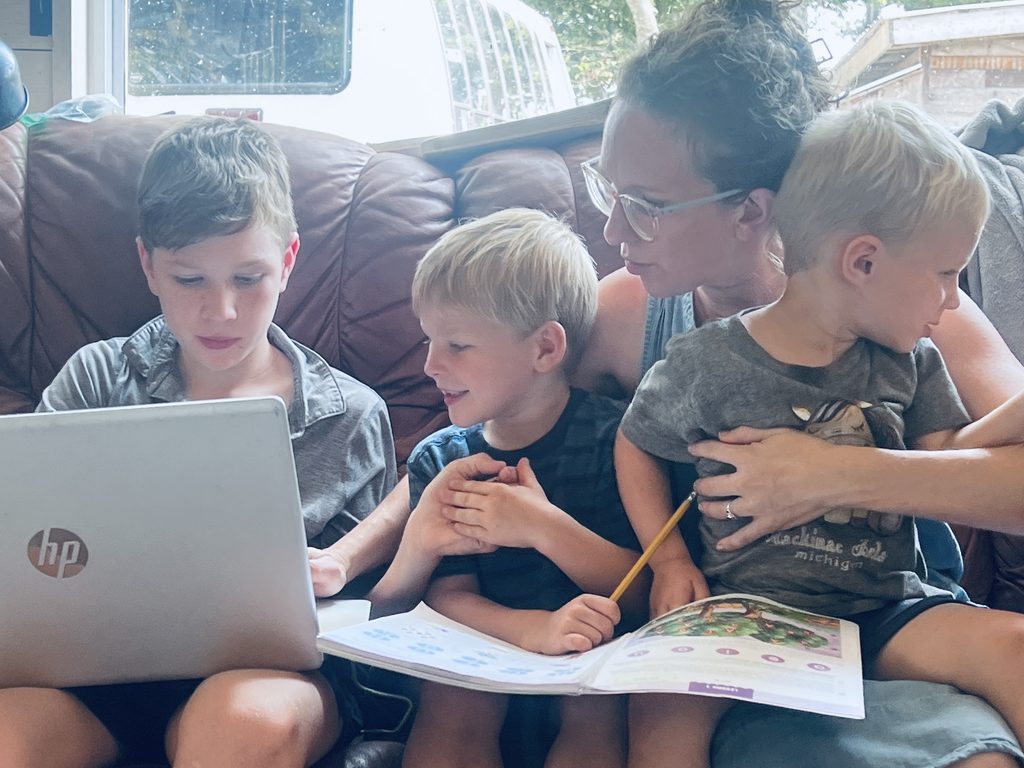
What Is Teaching Textbooks?
Teaching Textbooks is a homeschool math curriculum designed to give students a more independent way to learn and practice math.
Rather than Mom having to teach every lesson from scratch, the program walks students through the material, provides instruction, and gives them opportunities to practice what they’ve learned.
This can make a big difference in a homeschool where Mom is juggling multiple grade levels, younger siblings, household responsibilities, and everything else that comes with educating at home.
How Does Teaching Textbooks Work?
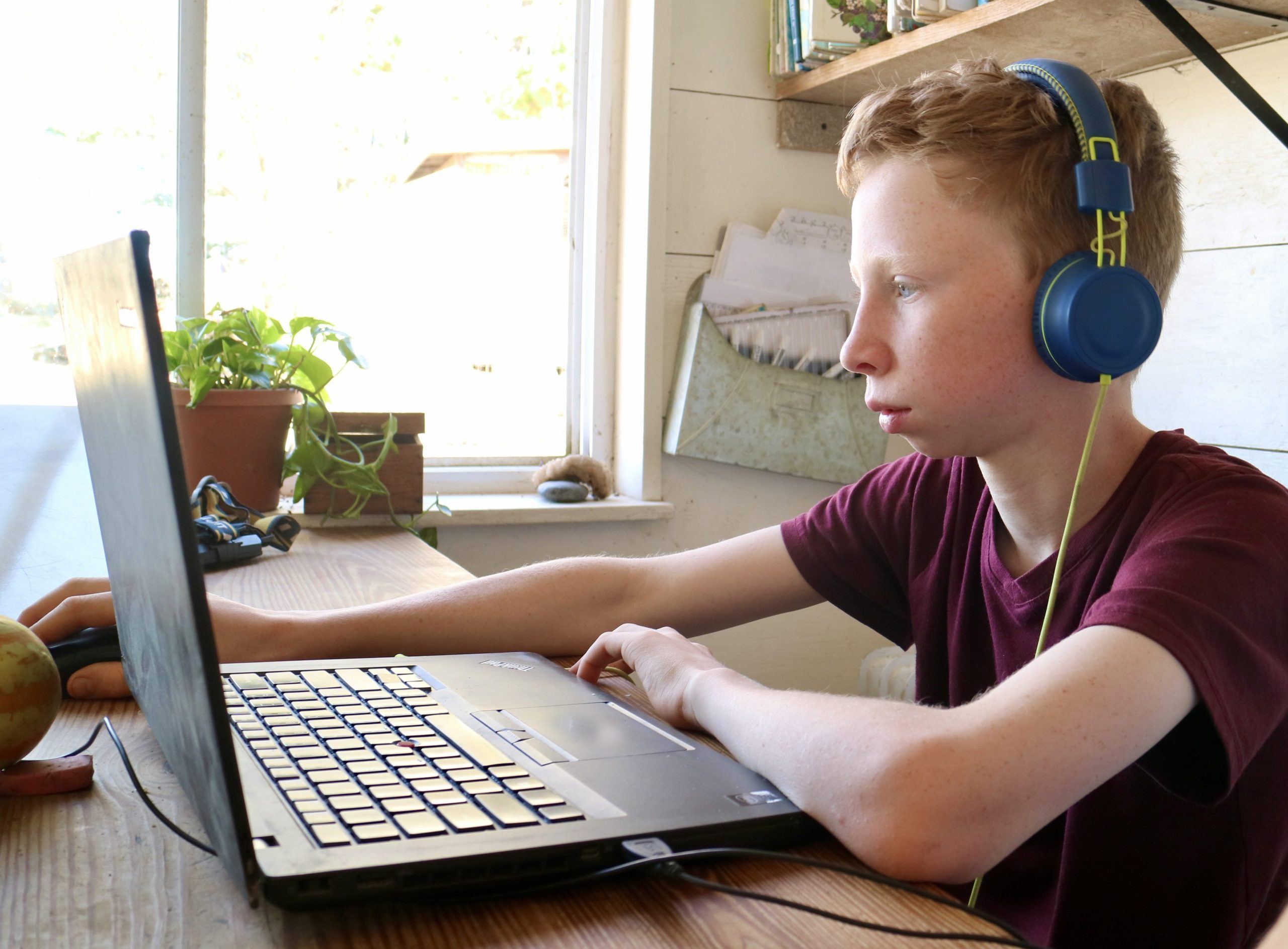
One of the things I appreciate most about Teaching Textbooks is that the curriculum does the teaching.
Students listen to a lesson and participate with practice problems that pop up throughout the lecture to help ensure they’re following what is being taught. Then they complete the math lesson independently, following the explanations and examples provided in the curriculum. They receive feedback as they go so they immediately know if they’re doing something wrong.
When a student doesn’t understand how to solve a problem, help is built into the program. Instead of you having to stop what you’re doing to figure out how to explain the concept yourself, your child can access additional instruction within the lesson.
That doesn’t mean Mom is completely uninvolved. You can still check progress, answer questions, encourage your child, and step in when they genuinely need additional help. But you don’t necessarily have to be the person right there teaching every single concept.
And honestly? That can be a huge relief.

It Encourages Independence
One of my favorite things about Teaching Textbooks is the independence it can give students.
Your child can sit down, open their lesson, work through the material, and continue through their assignments without needing Mom sitting beside them every step of the way.
That can be especially helpful when you’re homeschooling several children.
Instead of having every child waiting for you to finish teaching someone else before they can begin math, students can learn to take more ownership of their own work.
Over time, that independence can become an important part of your homeschool routine.
The Lessons Are Clear and Easy to Follow
Another reason we’ve enjoyed Teaching Textbooks is that the lessons are designed to be approachable for students.
Math can become frustrating quickly when a child doesn’t understand what they’re supposed to do. Having clear explanations and examples available right within the curriculum means your child has somewhere to turn when they get stuck.
Rather than immediately saying, “Mom, I don’t understand this,” they can often go back through the explanation and see the concept presented another way.
And if they still need help, you’re always there to step in.
The goal isn’t to eliminate Mom from the learning process. It’s to make sure you don’t have to be the only source of instruction.
It Can Take Some Pressure Off Mom
This might be the biggest benefit for me.
Traditional homeschool math can sometimes feel like this:
Mom needs to learn the lesson → Mom needs to figure out how to explain it → Mom teaches the child → Mom helps with the problems → Mom checks the work.
Teaching Textbooks can change that dynamic.
Instead, the curriculum can handle much of the initial instruction while you take on more of a supporting role.
That can give you some breathing room.
And if you’re homeschooling multiple children, that breathing room can be invaluable.
You can work with one child who needs extra help while another child works independently through a math lesson. You can help a younger child with reading while an older child completes math. You can manage the interruptions and unexpected moments that inevitably happen during a homeschool day without having to stop everything because someone needs you to reteach a math lesson.
What Does a Typical Teaching Textbooks Lesson Look Like?
While your exact routine will depend on your child’s age and level, the basic idea is simple.
Your student works through the lesson, learns the new concept through the provided instruction and examples, and then practices by completing problems.
If your child doesn’t understand a problem, they have access to additional help within the program. Once they’re comfortable with the concept, they can continue working through their assignment.
This makes math feel less like a subject that requires a daily lecture from Mom and more like a course your child can progressively work through.
Of course, you’ll still want to pay attention to how your child is doing.
Independent work doesn’t mean unattended work.
It’s still important to monitor progress, notice patterns of struggle, celebrate improvement, and step in when your child needs you.
But there’s a difference between being available to help and having to provide every bit of instruction yourself.
What I Like About Teaching Textbooks
We’ve used Teaching Textbooks in our own homeschool for years, and that experience is a big part of why I feel comfortable recommending it.
For us, some of the biggest benefits have been:
- Student independence: My children can work through much of their math without me sitting beside them.
- Built-in help: When they get stuck, they have additional instruction available within the program.
- Less pressure on Mom: I don’t have to figure out how to teach every math concept before my child can begin the lesson.
- A manageable routine: Math can become a predictable part of our homeschool day.
- Flexibility: It works well for students who benefit from being able to move through their work more independently.
And perhaps most importantly, it has helped make math feel more manageable in our homeschool.
Is Teaching Textbooks Right for Every Homeschool?
Of course not.
Every homeschool is different, and every child learns differently. A curriculum that works beautifully for one family may not be the right fit for another.
Some children thrive with hands-on math. Others prefer traditional paper-and-pencil lessons. Some students need lots of interaction with a parent or teacher, while others flourish when they’re given more independence.
That’s why I always encourage homeschool parents to consider their individual child and family when choosing curriculum.
For our family, Teaching Textbooks has been a resource we’ve genuinely appreciated over the years.
If you’ve been looking for a math curriculum that is student-friendly, encourages independence, and can take some of the teaching pressure off Mom, Teaching Textbooks may be worth exploring.
Sometimes the best homeschool curriculum isn’t the one that promises to do everything.
It’s the one that helps your child learn while making your homeschool day a little more manageable for everyone.
Leave a Reply